Chavez loses bid for water board, commits to cleaning up city well
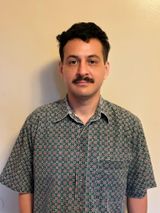
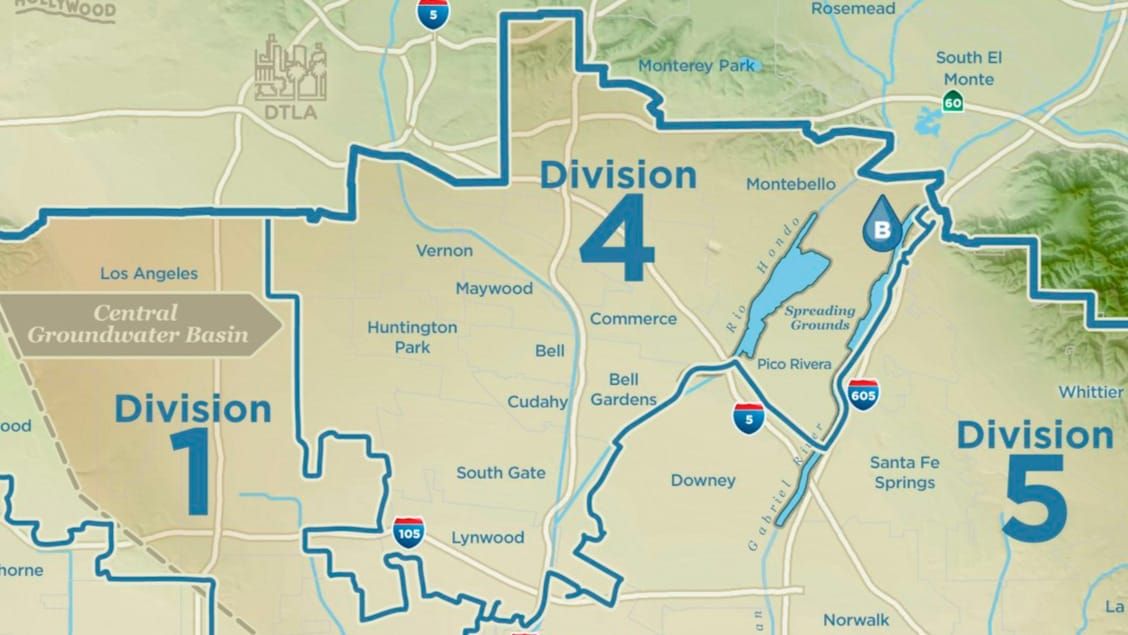
BELL GARDENS, CA — Bell Gardens Councilmember Jorgel Chavez has conceded defeat in his bid to unseat a longtime water board director, pledging to work with his former opponent and push for repairs to the city's contaminated groundwater well.
Sergio Joseph Calderon leads Chavez by 7,679 votes in the race for Division 4 of the Water Replenishment District of Southern California (WRD), according to unofficial results released Friday, Nov. 13, by the Los Angeles County Registrar-Recorder/County Clerk.
Calderon has received 64,525 votes (44.39%), compared with Chavez's 56,846 (39.11%). A third candidate, Samuel A. Peña, trails with 23,990 votes (16.50%). Results remain unofficial until certified.
Speaking during the Nov. 9 Bell Gardens City Council meeting, Chavez acknowledged the defeat.
“Ultimately we did not win. We weren't successful in this election,” Chavez said.
Despite the loss, Chavez emphasized the importance of putting politics aside and working with Calderon, who has represented Division 4 for 20 years.
“(At) this point, campaigning and politics aside, I think that part is done. Now it's about working together,” Chavez said.
Chavez said in a phone interview that he contacted Calderon to congratulate him and offer to work together on water issues. He said Calderon responded with a text praising his campaign.
Calderon thanked voters, campaign contributors, and supporters from organized labor, including the American Federation of State, County and Municipal Employees and the International Brotherhood of Electrical Workers, in a Nov. 4 Instagram post.
“My respect to my opponents, and I remain as always at your service,” Calderon wrote.
A challenge to a longtime incumbent
Chavez, 29, challenged Calderon on a platform of bringing new leadership to the WRD, increasing public awareness of the agency, and securing funding for water projects across SELA.
The WRD manages groundwater for about 4 million people across 420 square miles of Los Angeles County. Its five elected directors oversee groundwater replenishment, water quality, and major infrastructure projects.
His campaign attracted more than 40 endorsements from labor organizations and elected officials, including Los Angeles County Supervisor Janice Hahn, state Sen. Lena Gonzalez (D-Bell Gardens), and Bell Gardens Mayor Miguel De La Rosa. Chavez also secured the endorsement of the Los Angeles County Democratic Party.
Had Chavez won, he would have been required to give up his Bell Gardens City Council seat two years before his term expired. Instead, he will remain on the council, where he was reelected in 2024.
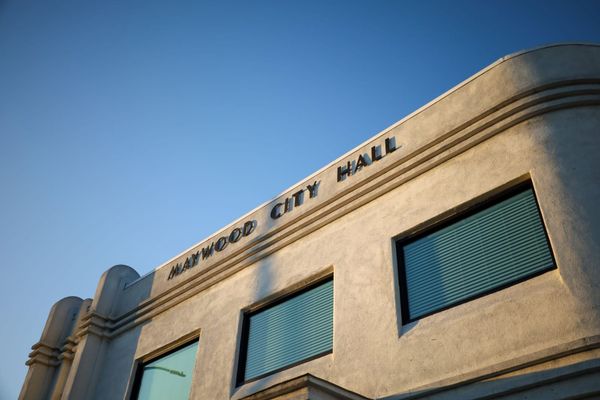
Both Calderon and Peña are former Maywood City Council members.
Throughout his campaign, Chavez called for greater investment in cleaning up contaminated groundwater wells, pointing to Bell Gardens' own struggles with PFAS contamination and the proposed sale of its water system.
In one campaign video, Chavez pledged to identify contaminated wells throughout Division 4 and pursue funding to clean them up. He argued that cities should not have to choose between buying imported water and selling their water systems because of contamination and cleanup costs.
Chavez calls for renewed focus on city water system
Chavez also pointed to another election result in Bell Gardens: the overwhelming rejection of Measure W, which would have authorized the sale of the city's water system and groundwater rights to Golden State Water Co. for $41 million.
Nearly 77% of voters rejected the proposal, according to the latest unofficial results.
Chavez and fellow Councilmember Marco Bárcena were the only two councilmembers to vote against placing Measure W on the ballot in June. The measure passed the council 3-2.
“Residents kind of felt that it wasn't appropriate to sell the water system,” Chavez said. “The votes speak for themselves,”
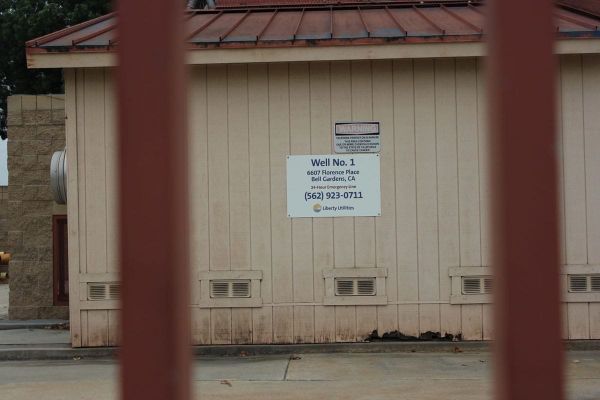
The city's groundwater well has been shut down since September 2021 because of contamination from PFAS, a group of chemicals commonly known as “forever chemicals.”
City officials recommended the sale, citing aging infrastructure, millions in needed upgrades and $1.28 million in annual imported water costs. The system serves roughly one-third of Bell Gardens.
City officials previously estimated that $15.3 million would be needed to build a treatment plant, water storage reservoir, and pumping station to bring the well back online.
With the proposed sale rejected, Bell Gardens will retain ownership of its water system and remain responsible for repairs and upgrades.
Chavez urged the city to make restoring the system a higher priority. Chavez also called for pursuing additional federal funding, including congressional appropriations and earmarks, to help restore the system.
“We have to put that water well, our water system, in the top three items of priority,” Chavez said.
He compared the effort to the city's investment in its Aquatic Center, arguing that water infrastructure deserves similar attention even if it is less visible to residents.
“This election is definitely a wake up call in terms of our residents (seeing) this as an asset,” Chavez said.
The WRD already operates a PFAS Remediation Program to help water providers pay for treatment projects. An April district report listed Bell Gardens' Well No. 1 as a potential project but indicated that the city had not yet submitted a funding application.
Under the program, WRD can cover eligible treatment construction costs, while participating water providers remain responsible for ongoing maintenance and any costs exceeding their funding awards.
Chavez also acknowledged that securing construction funding would not solve every problem. The city would need to cover ongoing maintenance costs and address water rates to keep the system financially sustainable.
He said the city has historically subsidized water rates that were lower than those charged by neighboring providers.
“We got to fix it, but it just can't be us as a city,” Chavez said. “It has to be a variety of stakeholders.”
The City Council has also taken steps to pursue compensation from chemical manufacturers.
At its Nov. 9 meeting, the City Council approved continued participation in proposed settlements with four chemical manufacturers over PFAS contamination of public drinking water systems. The agreements could allow Bell Gardens to recover cleanup costs, though the staff report did not specify how much the city could receive. The city has until Dec. 22 to opt out.
“Polluters should be held accountable,” Chavez said.