Measure W: Should Bell Gardens sell its water system?

Bell Gardens voters will decide on November 3 whether to allow the city to sell its public water system to a private company under a proposed $41 million deal. City officials say the sale would help address costly repairs and aging infrastructure. But what would the deal mean for residents and their water bills? Here's what voters should know about Measure W.
What is Measure W?
Measure W asks Bell Gardens voters whether the city should sell its public water system, including its groundwater pumping rights, to Golden State Water Company under a proposed $41 million deal.
The City Council voted 3-2 on June 8 to place Measure W on the ballot.
“Selling our water system is not increasing local control. In fact, it is giving up local control,” Councilmember Marco Bárcena said. He questioned whether the city was pursuing a short-term financial benefit at the expense of long-term control over its water system.
“If we are handing over this to for-profit entities, we know what the outcome is going to be,” Bárcena said. “It's going to be decisions that are not based on the well-being of our communities. They're based on the profitability of what is at hand.”
Mayor Miguel De La Rosa argued that the $41 million could help the city manage uncertain revenues.
“I think [it] could potentially function as a buffer while we consider other avenues of bringing in revenue to the city,” De La Rosa said, adding that the money could give officials more time to address budget problems “without necessarily implementing rough cuts.”
Who would be affected?
The city-owned water system serves about one-third of Bell Gardens, mostly in the northern part of the city. Golden State already serves most of the rest of Bell Gardens.
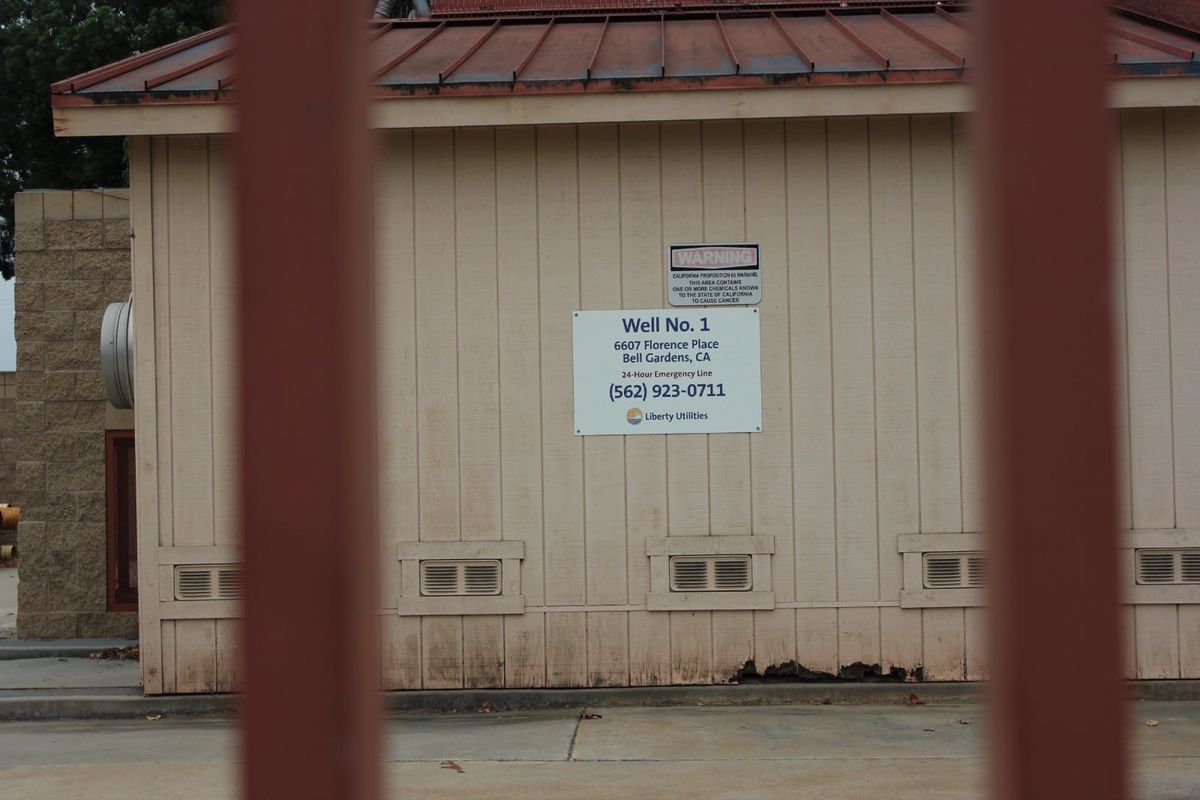
The city currently pays Liberty Utilities to operate its water system.
Will my water bill go up?
It could. If the sale goes through, current city water customers would pay the same rates through at least December 31, 2027.
Under Bell Gardens' published rates, a household using about 6,000 gallons per month with a standard residential meter would pay roughly $88.
For residents already served by Golden State, the company estimates a monthly bill of about $83 for the same water usage, excluding applicable surcharges.
Golden State is seeking state approval to increase that estimated monthly bill to about $95 in 2028.
The company is also seeking additional rate increases in 2029 and 2030. Its proposal calls for companywide revenue increases of 19.40% in 2028, 6.88% in 2029, and 6.57% in 2030. These percentages do not necessarily reflect how much individual customers' bills would increase. The proposed increases have not yet been approved.
Golden State spreads some infrastructure and operating costs across customers in the same region. Bell Gardens is part of Region 2, which covers communities across Southeast LA County and nearby areas. That means Bell Gardens customers could help pay for improvements elsewhere in the region, subject to state approval.
If the sale goes through, current city water customers would eventually pay Golden State's state-regulated rates. However, it remains unclear when that change would happen.
Water bills could also increase if the sale is rejected. At the June 8 meeting, a city engineer said officials had considered raising rates to help pay for the planned water treatment plant. The increase could have brought city rates close to or above Golden State's rates, he said, but the proposal was put on hold while officials explored selling the system.
Why does the city want to sell?
City officials say the water system needs costly repairs and upgrades. The city's only groundwater well has been shut down since September 2021 because of contamination from PFAS, a group of chemicals linked to health risks.
Since then, the city has relied on imported water, costing an average of $107,000 per month, or about $1.28 million annually.
In January 2025, the city estimated it would cost $15.3 million to build a treatment plant to remove PFAS from its groundwater, along with a new water storage reservoir and pumping station.
At a June 8 City Council meeting, city engineers estimated the treatment plant alone would cost about $8 million to build and another $1.3 million annually to operate and maintain.
The city secured $1.7 million in state grants for planning and design, but had not secured construction funding as of June 8.
Golden State has proposed connecting the city's water system to its existing network and making infrastructure improvements. City officials say the sale would spread the cost of necessary upgrades across the company's larger customer base.
At the June 8 meeting, Golden State did not commit to building a treatment plant for the city's contaminated groundwater well or provide a timeline for reopening it.
What would happen to the $41 million?
The sale proceeds would go into the city's General Fund, which pays for services such as police, parks, and other city operations. The City Council would decide how to spend the money.
The water system also has outstanding debt. According to city documents released in February 2026, its remaining debt obligations totaled approximately $5.4 million, including future interest.
At the June 8 meeting, councilmembers questioned how the money would be spent, and no specific spending plan was presented.
“I haven't heard a single plan about what we're going to do with $41 million, and I think that's a valid concern,” Councilmember Jorgel Chavez said.
Is the $41 million guaranteed?
No. The amount is Golden State's proposed purchase price, but the city and company have not finalized a sale agreement.
The final terms would require City Council approval, and the California Public Utilities Commission would also have to approve the transaction.
The price could change during that process, or the sale could fall through.
What happens if I vote YES?
A YES vote would authorize the city to sell its water system, including its groundwater pumping rights, to Golden State under the proposed $41 million deal.
The sale would not be automatic. The city and Golden State would still need to negotiate a final agreement, which would return to the City Council for approval. The California Public Utilities Commission would also have to approve the deal.
Measure W needs a simple majority of votes cast on the measure to pass.
What happens if I vote NO?
A NO vote would reject the sale. The city would keep its water system and remain responsible for repairs, upgrades, and other costs. It would not receive the proposed $41 million payment.
The city would also need to determine how to pay for the planned treatment plant and other infrastructure improvements. Officials have considered raising water rates, but no new rate increase for those projects has been approved.
The city could also seek additional state grants to help cover construction costs, although there is no guarantee it would receive the funding.