UPDATE: Ford Park stormwater project
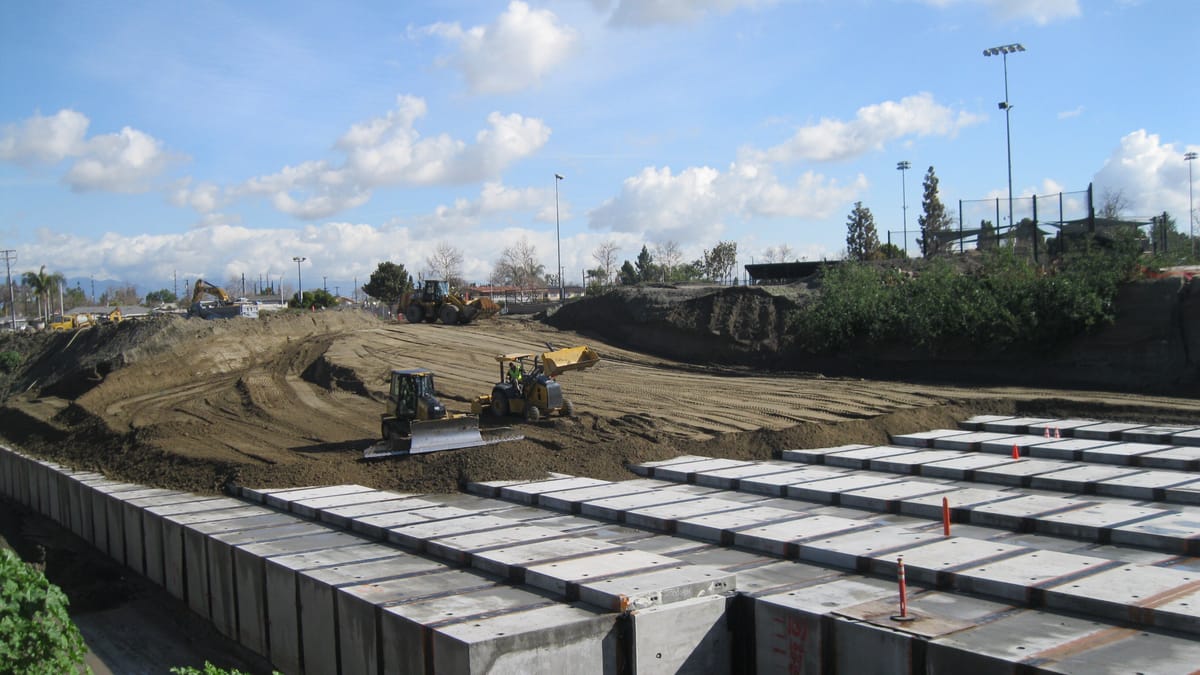
Bell Gardens, CA — Bell Gardens officials say the city’s newly completed stormwater cistern at John Anson Ford Park is now fully operational, while entering an early monitoring and maintenance phase.
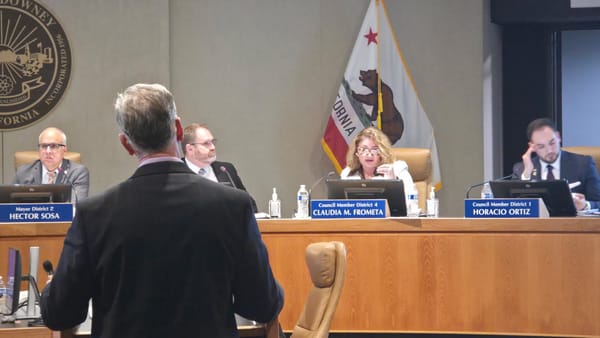
City staff delivered the update at the Jan. 12 City Council meeting, outlining how the John Anson Ford Park Infiltration Cistern Project is performing since going online last year.
“I always thought this project was something that the city and the residents could be proud of, particularly residents that use those ball fields,” City Manager Michael B. O’Kelly said. “It wasn’t an easy project. It was a difficult project to get done over those four years with a lot of challenges.”
City staff says the underground cistern reflects a long-term investment that improves water quality, reduces pollution flowing into the Rio Hondo Channel, which runs alongside the park, and helps recharge groundwater for both Bell Gardens and the surrounding Southeast Los Angeles region—benefits that become increasingly important during periods of drought.
The underground system can capture 21.5 acre-feet of water—roughly 7 million gallons, an amount comparable to about 10 Olympic-size swimming pools—diverting both stormwater and dry-weather runoff from a 2,295-acre regional watershed before it reaches the Rio Hondo Channel, part of the Los Angeles River watershed.
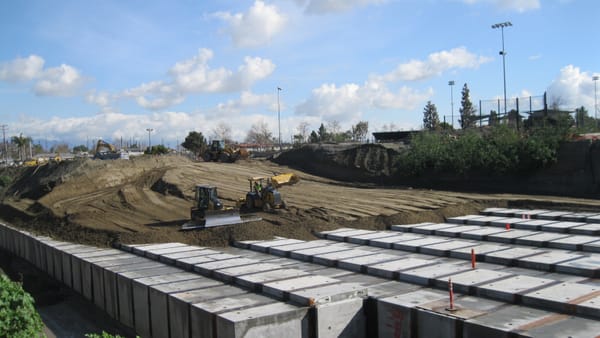
The treated water is stored in a bottomless, underground cistern built from interconnected precast concrete structures beneath the park’s athletic fields, where it is temporarily held before slowly percolating through rock and soil into the ground.
What is a cistern? A cistern collects and stores water. At Ford Park, the underground cistern captures stormwater before it enters the storm drain system, helping improve water quality and recharge groundwater in Southeast Los Angeles.
The system allows captured stormwater to infiltrate naturally, helping recharge the Central Basin aquifer, the primary groundwater supply for much of Southeast Los Angeles County.
According to project manager Desi Alvarez, the system became operational in spring 2025, capturing its first storm in April and another storm event in September. The cistern diverts 100% of dry-weather flows—runoff that continues even when it is not raining, often from irrigation and street washing—preventing a steady stream of low-level pollutants from entering the watershed between storms.
Now that construction has concluded and the system is fully underground, city officials said ensuring it functions safely and as designed is the primary focus.
“We will be watching closely (to see) that the system, first and foremost, opens and closes when it’s supposed to. That would be a safety concern for us,” O’Kelly said in a phone interview, adding that staff will also closely monitor debris buildup and how quickly water infiltrates into the groundwater basin.
During wet-weather events, the system is designed to capture the “first flush”—the most polluted portion of runoff, which typically carries contaminants that have built up on streets between storms—before larger storm volumes continue through the channel once the cistern reaches capacity.
City staff said early monitoring is helping refine expectations for system performance during its first year of operation. Once filled, the cistern took “about 28 days, plus or minus, to drain,” Alvarez told councilmembers, noting the timeframe was “a little bit more than had been anticipated.”
Operations and maintenance costs are estimated at $100,000 for the first year, with expenses to be adjusted annually based on actual maintenance needs. Costs are shared among the seven watershed cities under an existing agreement. Bell Gardens’ annual share would be $12,800, funded through Measure W municipal funds, according to Public Works Director Bernardo Iniguez.
In addition to the underground system, the project included reconstructed ballfields, upgraded lighting, repaved parking areas, new electrical service, and other park improvements completed during construction.